Visiting a designer’s studio can feel like stepping into someone’s mind. That’s exactly what it was like when I got a rare glimpse inside Salomon’s workspace, watching sketches, prototypes, and materials come together in ways that make you pause and admire the thought behind every detail. For a brand known primarily for performance footwear, it was striking to see how much care and creativity goes into each pair.
The first thing that caught my eye was the collection of prototypes lined up on a long table—unfinished, some even raw, with exposed stitching and flexible molds that hinted at the soul of the final product. Each shoe seemed to tell its own story: some designed for trail running, others for hiking, yet all sharing a common language of precision, movement, and human-centered design. It’s clear that Salomon isn’t just making shoes; they’re sculpting experiences that interact with the body naturally.
One of the designers explained how they spend months testing sole compositions, grip patterns, and cushioning systems. Every curve, every layer, is measured against real-world conditions—from muddy alpine trails to urban streets slicked by rain. The focus isn’t on flashy technology for marketing purposes; it’s on subtle innovations that the wearer almost doesn’t notice consciously, but that make all the difference in comfort and stability. Observing this made me appreciate the brand’s philosophy: function first, but never at the expense of thoughtfulness or design elegance.
I was allowed to touch some of the materials used in upcoming models. The uppers were soft yet resilient, almost like they were designed to adapt to the foot while still holding their shape over time. The soles had a certain spring to them, but not in a gimmicky way—more like a gentle reminder that every step is meant to be efficient and natural. Holding these prototypes, I felt the weight of research, trial, and human experience embedded in every stitch.
What fascinated me most were the sketches and notes scattered across the desks. Diagrams showing foot movement, annotations about gait patterns, and reminders about sustainability—all of it indicated a holistic approach. Salomon seems to care not just about creating high-performance shoes, but about understanding how humans move through the world, how shoes can support that movement, and how design can remain functional yet beautiful.
Later, I tried on a near-final model that hadn’t hit stores yet. The fit was immediate—snug in all the right places, cushioned exactly where needed, yet flexible enough for natural motion. It’s the kind of design that makes you realize the brand’s research translates directly into a real, tangible experience. Every step felt considered, almost like the shoe was anticipating the path I was taking before I even took it.
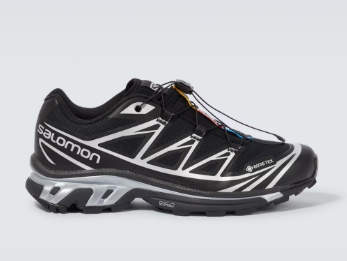
For anyone who values both technical innovation and mindful design, exploring a collection of salomon shoes reveals why the brand has such a dedicated following. It’s more than performance—it’s about the intimacy between human movement and the tools we use to navigate the world. Watching the creative process unfold, understanding the depth of thought behind each prototype, gave me a new appreciation for what goes into footwear that is both practical and thoughtfully designed.
Being behind the scenes reminded me that a good shoe isn’t just made; it’s cultivated, tested, and nurtured until it feels almost alive under your feet. It’s a rare perspective, one that turns a simple object into a story of passion, innovation, and care.